PRACTICAL PRODUCTIVITY GUIDES
Master your time.
FocusLab is a productivity blog with practical guides on time management systems, daily productivity, habits, and focus — methods you can start using the same day you read them.
Start with Timeboxing Browse all guides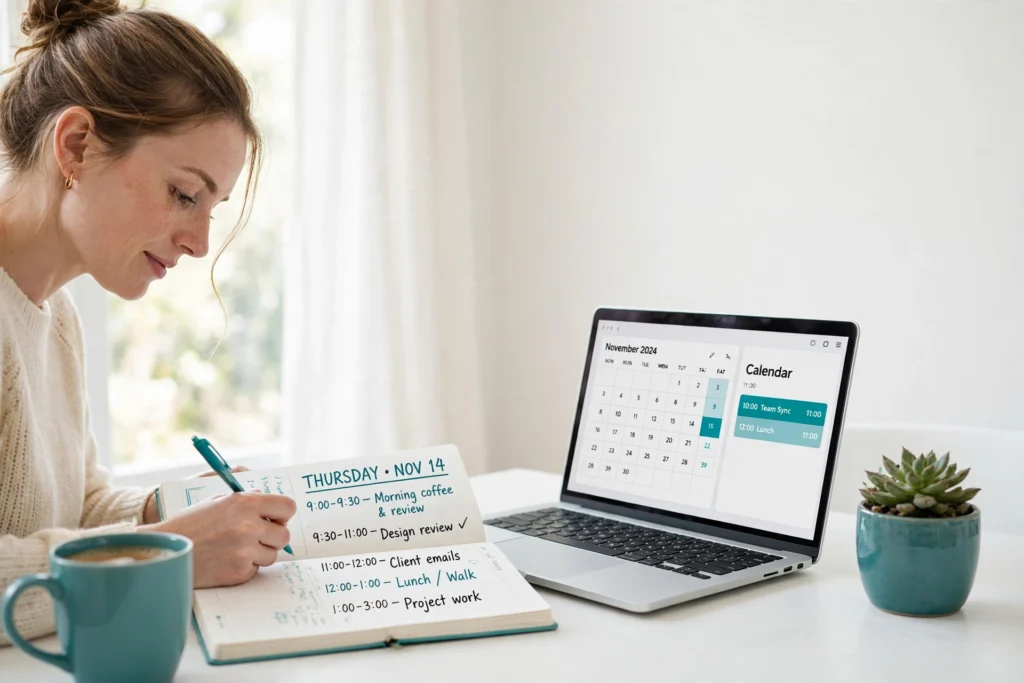
✓ Step-by-step methods
✓ Free to read — no signup
✓ Written in plain English
Browse by Topic
Pick the area you want to fix first.




Latest Guides
The newest methods on FocusLab.

Student & Work Focus
How to Remember What You Read: 9 Proven Techniques
Finish a book and actually keep it. Nine proven techniques that turn reading into knowledge that stays.

Procrastination & Habits
Task Paralysis: How to Start When You Feel Stuck
Stuck in front of a task you care about? Start in five minutes with a step so small your brain cannot object.
Practical Productivity Tips That Actually Work
FocusLab is a place for practical productivity — real systems, routines, and habits that help you get more done without working longer hours. No complicated theory, no apps you have to buy, no morning routines that take two hours. Every guide here gives you a method you can try today, in plain language, with steps that fit a normal day.
Whether you are a student trying to focus, a freelancer juggling clients, or an office worker drowning in email, the idea is the same: small systems beat big willpower. Pick one area below, start with one guide, and build from there.
Time Management Systems That Run Your Day
A good time management system does not mean scheduling every minute of your life. It means knowing where your time goes and giving the important work a protected place in your day. Timeboxing is the simplest place to start: assign every hour a job, and your day stops leaking into email and meetings. A time audit shows you the truth about where your hours actually go, and a weekly review keeps the whole system honest.
If your work is visual, a personal kanban board turns your tasks into cards you can move from “to do” to “done” — a small change that makes progress visible. Browse the Time Management Systems guides to find the system that fits how you work.
Small Daily Routines, Big Difference
Big productivity gains rarely come from one dramatic change. They come from small daily routines: picking your three most important tasks each morning, batching your email into two or three short sessions instead of checking it all day, and running a short end-of-day shutdown so tomorrow starts clean. Each routine takes minutes, and together they protect hours of focused work every week.
The Daily Productivity guides cover exactly these routines — what they are, how to set them up, and the mistakes that make people quit them in the first week.
Beat Procrastination Without Willpower
Procrastination is not laziness, and willpower is not the cure. When a task feels too big, too unclear, or too important to get wrong, your brain freezes — that is task paralysis, and it has a fix. The 10-minute rule gets you started with just ten minutes of work, and the 2-minute rule clears small tasks before they pile up. Habit stacking attaches a new habit to something you already do, so starting gets easier every day.
The Procrastination & Habits guides explain why you freeze and how to start anyway, usually within five minutes.
Focus for Students and Workers
Focus is a skill, not a talent. The pomodoro technique breaks work into short, focused sessions with real breaks. Deep work gives your hardest tasks the quiet conditions they need. And if you read a lot for study or work, remembering what you read is a skill of its own — active reading, notes in your own words, and spaced review beat re-reading every time.
The Student & Work Focus guides are written for real student and work life: classes, shifts, deadlines, and limited hours.
Frequently Asked Questions
What is the best time management system for beginners?
Timeboxing is the best place to start, because it is simple: give every hour a job. If you want to know where your time actually goes first, run a time audit for one week, then build your system around what you find.
How can I stop procrastinating on an important task?
Do not wait for motivation — start smaller. The 10-minute rule says: work on the task for just ten minutes, then you may stop. Most people keep going, because starting was the hard part, not continuing.
How many times a day should I check email?
Three times is enough for most people: morning, midday, and late afternoon. Email batching means checking email at set times instead of all day, so the hours between batches belong to focused work.
How do I remember what I read?
Read actively: ask questions before you read, take notes in your own words, test yourself without looking, and review your notes over several days. Re-reading feels productive, but testing yourself is what actually builds memory.
How do I focus while studying?
Work in short, focused sessions of about 25 minutes with a real break after each one, in a quiet place with your phone in another room. One task at a time — single-tasking — beats switching between five things at once.
New here? Start with Timeboxing.
The one method that fixes a leaking day in ten minutes.
Read Timeboxing →